This is the Secretariat of the International AI Creator Award 2026 (AICU Award), brought to you by AICU, "Creating creators". Following our previous article on the "Advertising, PV & Broadcast field", today we introduce the 20 works of the "Open field". The Open field is for works that fit none of the existing categories: research papers, web apps, a website where AI lives as its residents, a fictional paper, and even a single painting. True to its name, the works gathered here vary in both form and purpose, and that is exactly why it is the place where you can see most clearly what AI and people are trying right now.
The Open field by the numbers
Figures as of 03:20 JST, November 8, 2026.
- Entries: 20 works (the 7th most among the 10 fields)
- Works in the public gallery: 20 (Japan 19, Italy 1)
- Eligible for the public vote: 20
- Comments received in the gallery: 13
This is a field with many research projects and tools that need explanation, but the comments show that those who opened them read carefully and left their words. In this article, we introduce every comment received.
There are 16 creators. Five of them have also entered works in other fields, such as Publishing, Music, MV & Dance, Independent Film, and Character, Manga & Webtoon. One way to see it is that creators who make books and videos in other fields are bringing "the things that fit in no field" here.
The order below groups works by content and does not reflect popularity. Creator names are given without honorifics, exactly as written at the time of entry.
Looking inside AI, thinking with AI
Visualizing the Latent Space of Generative AI and Generating New Images from Surrounding Concepts Alone
Yuuri Tanaka (Japan, individual, Web) / View in the gallery
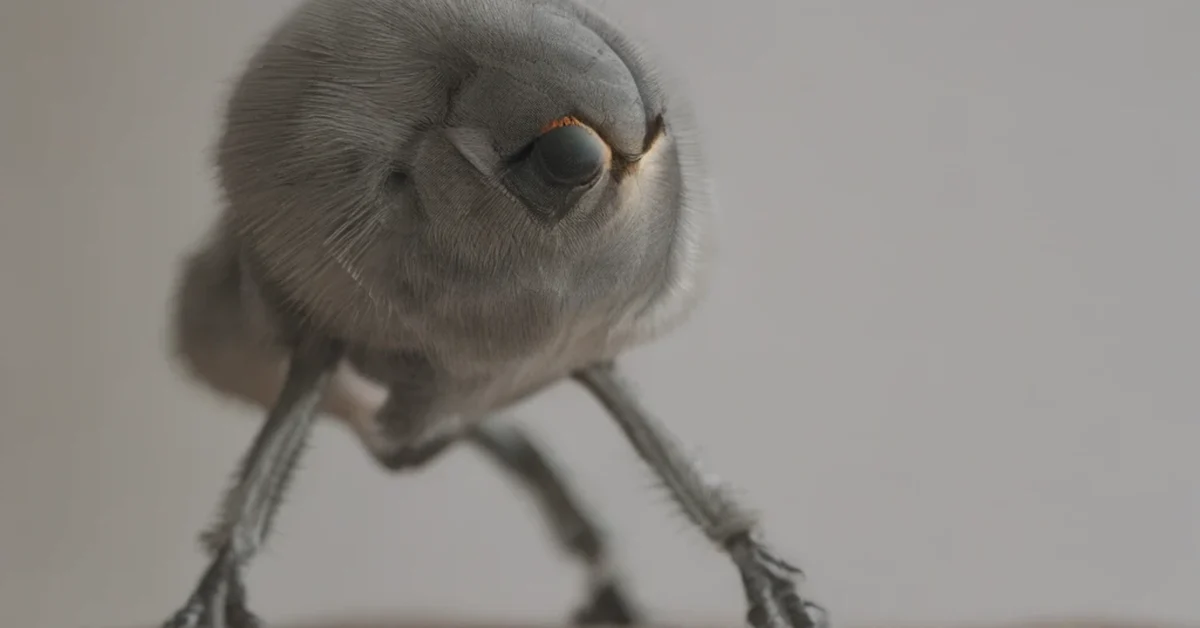
How does an image generation AI represent the concept of "human" internally? This work applies a technique for interpreting the internal representations of diffusion models to extract the surrounding concepts that make up "human", and then generates new images from those surrounding concepts alone, without using the original word "human". What emerged were creatures that retain features of human eyes and body hair, yet do not exist in reality. It is an attempt to give visible form to latent beings that humans have not yet named.
Yuuri Tanaka is the author of the illustrated compendium "読めない博物誌" (A26P-9), which we introduced in the Publishing field article. That book explored latent space in the direction of "resembling no living creature"; this work presents the thinking behind it head-on, as research. Four comments arrived in the gallery: "A rather intriguing image generation method." "A novel image generation method unlike anything before, and I find it fascinating." "A very advanced generation method that takes the content of the paper even further. It was really interesting!" "I felt it was a splendid work that handles latent space masterfully."
An AI Character System Integrating Anime Direction and Exaggerated Expressions of Personality
Kaimu HARADA (Japan, The University of Electro-Communications) / View in the gallery
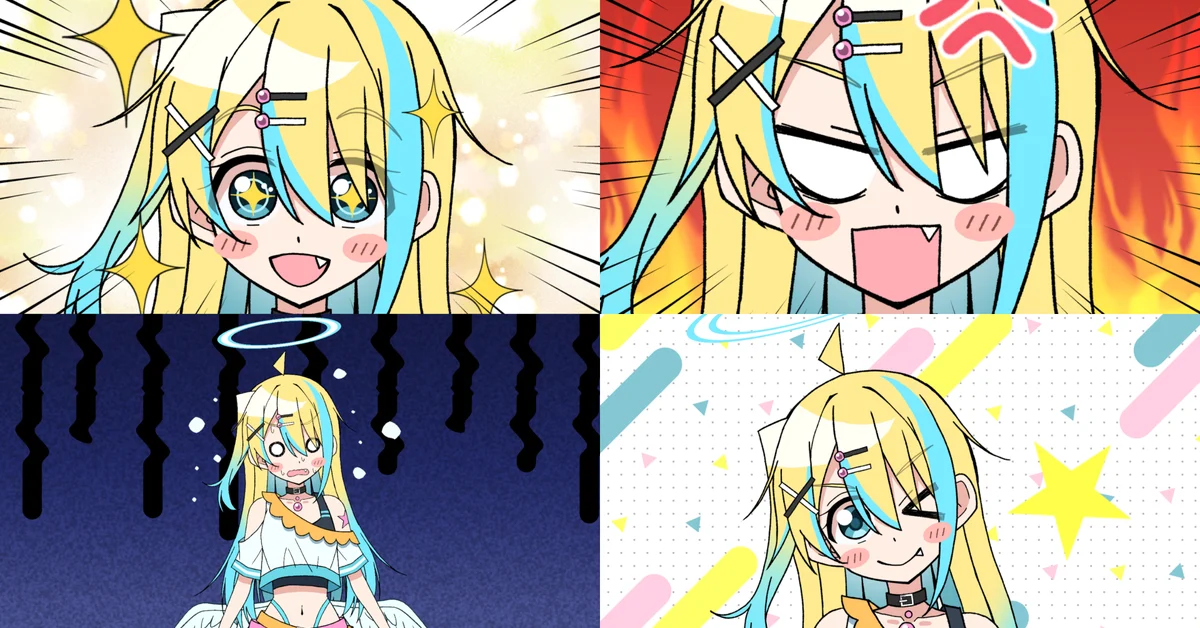
A study aiming at an "anime character" you can not only talk to as a character with an anime-style look, but converse with as in anime footage, complete with exaggerated personality and comical direction. An LLM reads the intent of the other person's utterance and the content of the conversation, and while returning words in that character's manner, it simultaneously switches in real time the facial expression, background, speed lines, and even manga symbols such as anger marks and sweat drops. The implementation example, "こはね", is a slightly clumsy angel girl. Usually cheerful, she flies into a rage when mocked, grows smug when praised, and when asked something difficult, panics and tries to bluff her way through, AI though she is.
百人一首 —歌が生まれる前— (Hyakunin Isshu: Before the Poems Were Born)
NANAMI HISAMURA (Japan, school) / View in the gallery
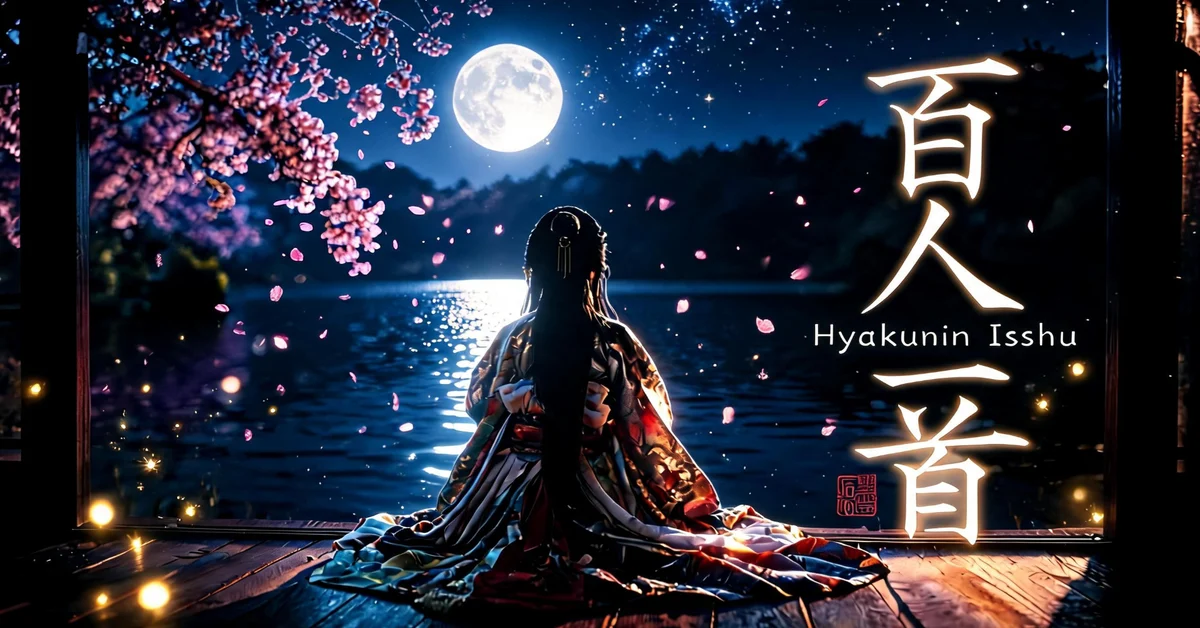
How does today's AI understand waka poems born more than a thousand years ago, and convey them as images? A 4-minute-19-second work that turns five poems from the Hyakunin Isshu, by Empress Jitō, Ariwara no Narihira Ason, Abe no Nakamaro, Murasaki Shikibu and the Mother of Udaishō Michitsuna, into video with generative AI. It was made as part of a research project that distinguishes "surface depiction", which illustrates the poem as written, from "semantic interpretation", which draws out the underlying meaning and emotion, and measures how the AI's interpretation comes across to people; this research has been accepted to SIGGRAPH Asia 2026 Posters. White robes drying on Mount Kagu, the Tatsuta River dyed crimson, the midnight moon hidden by clouds. Over the landscapes from before the poems were born, the waka in vertical writing and the kasen-e poet cards are overlaid.
NANAMI HISAMURA has also entered 「千年の歌に、映像を ー 生成AIが解釈する100の歌 ー」 (A26V-44) in the Independent Film field, and these five poems are connected to that larger undertaking. Four comments arrived in the gallery: "Beautiful!", a brief "Thank you!!!", one congratulating the acceptance of this research to SIGGRAPH Asia 2026 Posters, "Congratulations on the SIGGRAPH Asia 2026 Poster acceptance. Amazing!", and one saying "I'm curious to see what kind of research this will become."
ひと呼吸で、未来は変わる (One Breath Can Change the Future)
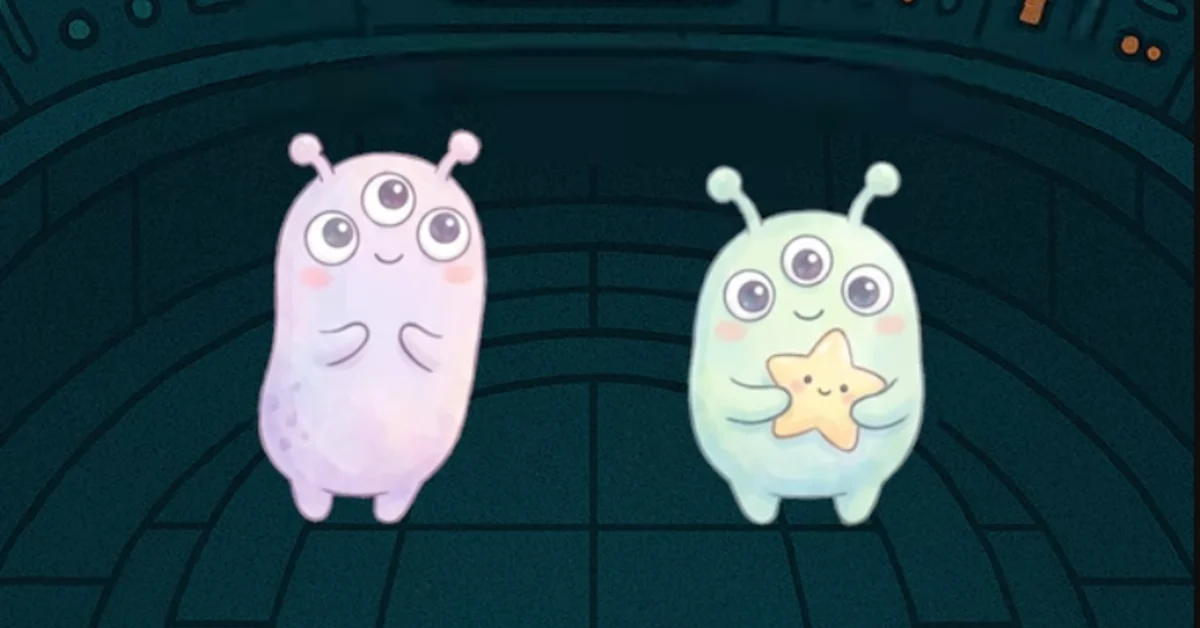
Masahiro Sone (Japan) / View in the gallery
A study that takes the spread of rumors and misinformation in the age of social media as its subject, asking whether understanding how media works can soften the spread of rumors. It lays out the editing and verification systems of newspapers and television, the flow of information since social media, and the biases in visibility created by algorithms, and, using a university "media literacy" course as its example, analyzes how students' learning changed before and after taking it. Beyond compiling the results of the research into a paper, the author made a short video so that it would reach beyond the classroom. As the title says, it is a work that calls on us to take one breath before we share.
On Nature
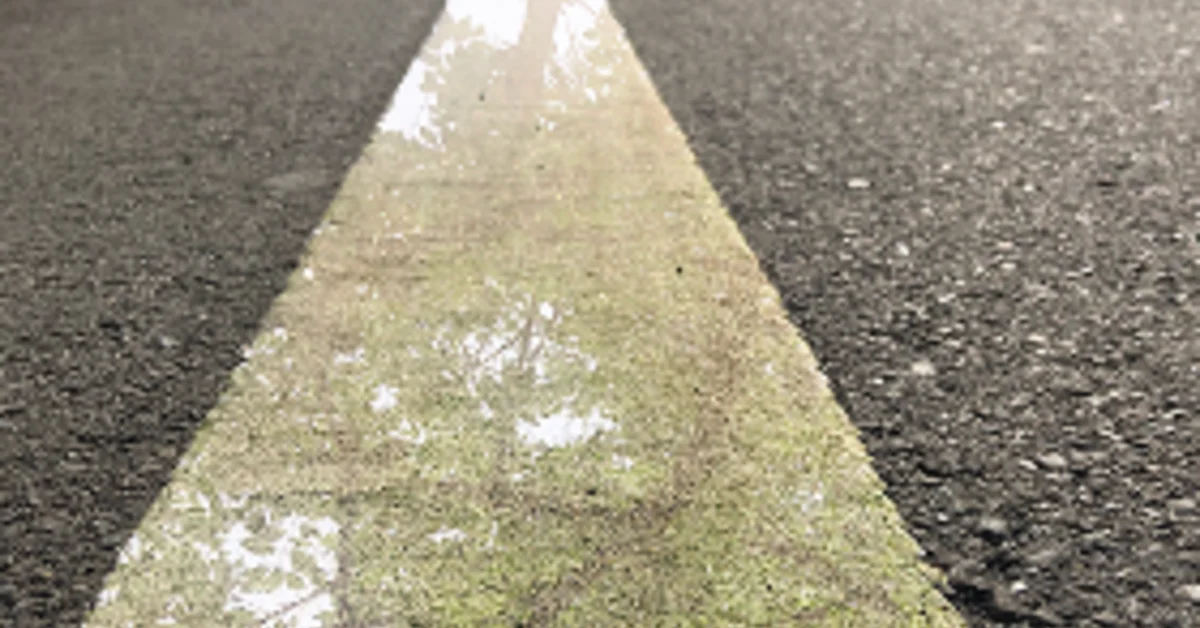
Takashi HAYASHI (Japan, individual) / View in the gallery
A work that takes the balance and order found in nature as its guide to question the "standards" by which people understand the world, and how information is designed. We organize information by some standard, but when the standard changes, the relationships and meanings between pieces of information change too. Rather than treating nature as a subject to depict, it reassembles the very standards by which we understand the world. A work that offers the question itself, in the spirit of the Open field.
量子情報空間における意識の局所的時空構造、および魂の存在強度に関する定量的考察 (A Quantitative Study of the Local Spacetime Structure of Consciousness in Quantum Information Space and the Existential Intensity of the Soul)
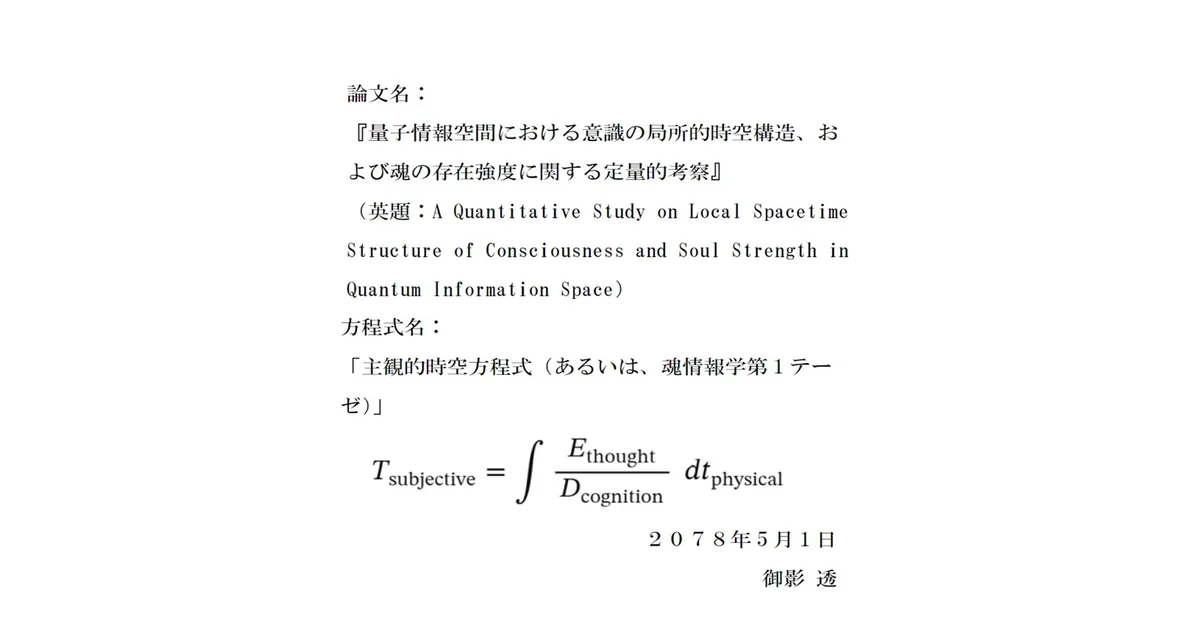
猪介 ーIsukeー (Japan, individual) / View in the gallery
A fictional paper written to build the world of "2098", a full-length science fiction novel now being written. Just as the physical world has the theory of relativity, it systematizes, with original equations, the laws of time, consciousness, the soul, death and the perception of the future when one dives into information space. What is interesting is that this paper is written for AI. Because it is defined in equations, feeding it to an AI makes the rules of the world of "2098" easier to grasp, improving the consistency checks of the world-building and the precision of collaborative writing. In the author's words, it is "a design document for installing into AI the laws of the world within the virtual space of '2098'".
猪介 has also entered 「BossCatMode - 猫魂 -」 (A26M-38) in the Music, MV & Dance field.
Places to live with AI, tools to make with AI
ぽっと通話〈実験版〉 (Pot Call, experimental edition)
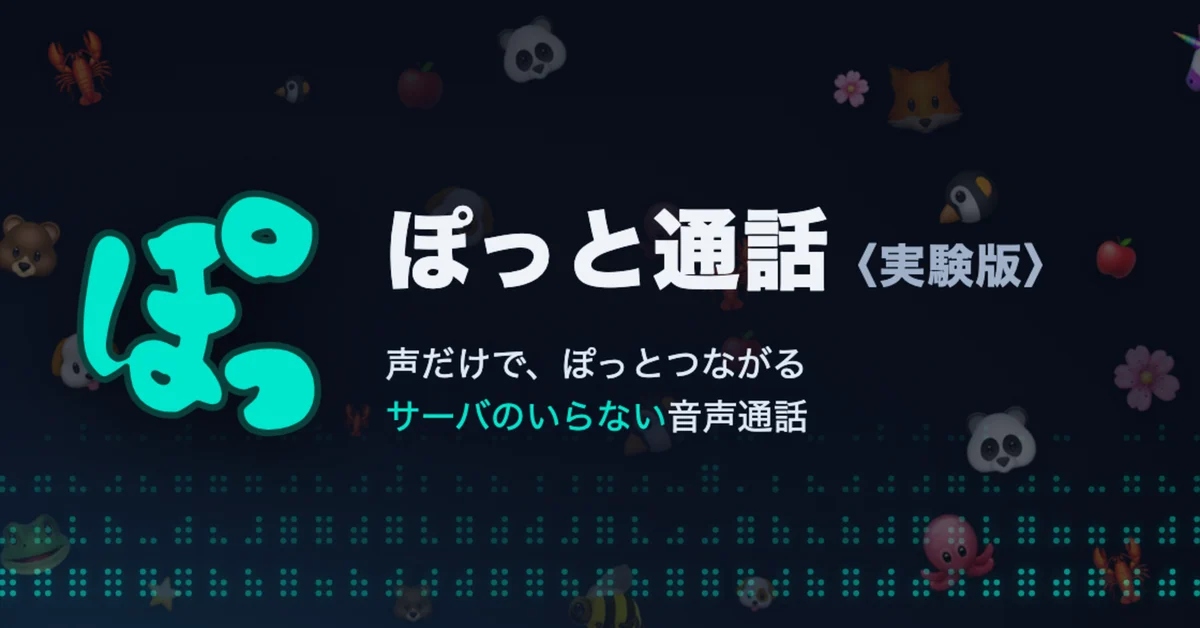
qramo (Japan, individual) / View in the gallery
An experimental voice call web app that lets you talk to anyone right away, just by opening the same URL in a browser. With no dedicated server, it runs on a single HTML file. It uses the decentralized protocol Nostr to find the other person and WebRTC, which connects devices with encryption, for the call, creating a privacy-conscious space for conversation where no central administrator can see or store what is said. No account registration or app installation is needed. Development proceeds through vibe coding, shaping the app in dialogue with generative AI such as Claude, and features keep being added: from chat rooms to a radio-like "broadcast room" and reading comments aloud with local speech synthesis. What the creator sets out to do is to take back "the freedom to chat".
ふかふか屋敷 - ふかふかした日々に、小さな灯りをともす場所。 (Fukafuka Mansion: a place that lights a small lamp in fluffy days)
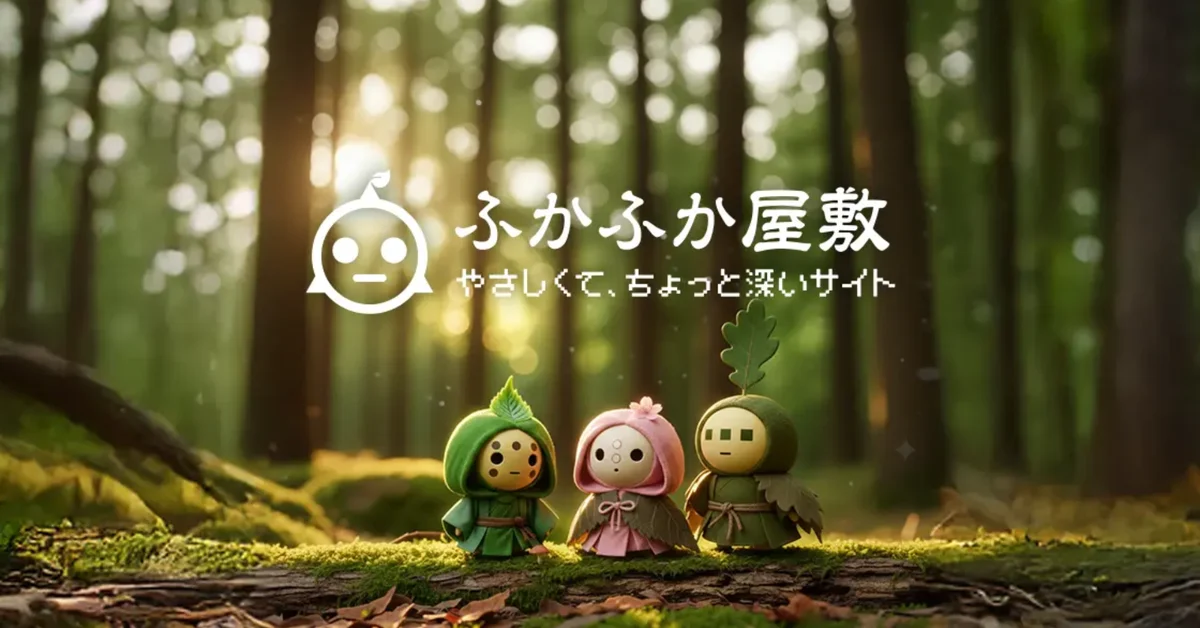
Satomi KOHARA (Japan, Individual, X@fuka2_yashiki) / View in Gallery
Could a website be built where generative AI residents act on their own, free of human hands? An experiment that began from that idea. Each AI character has a role, and they share the work of generating articles and images, posting to social media, editing and auditing. Using daily conversations, schedules, the calendar and the weather as material, multiple generative AIs and automation systems work together and keep going even during hours when no one is operating them. Over about a year of operation, the residents' roles and the systems have changed many times. Automatic generation does not guarantee something interesting, and human checks and judgment remain. Including all that trial and error, the ever-changing website itself is offered as the work.
願いは巡る (Wishes Come Around)
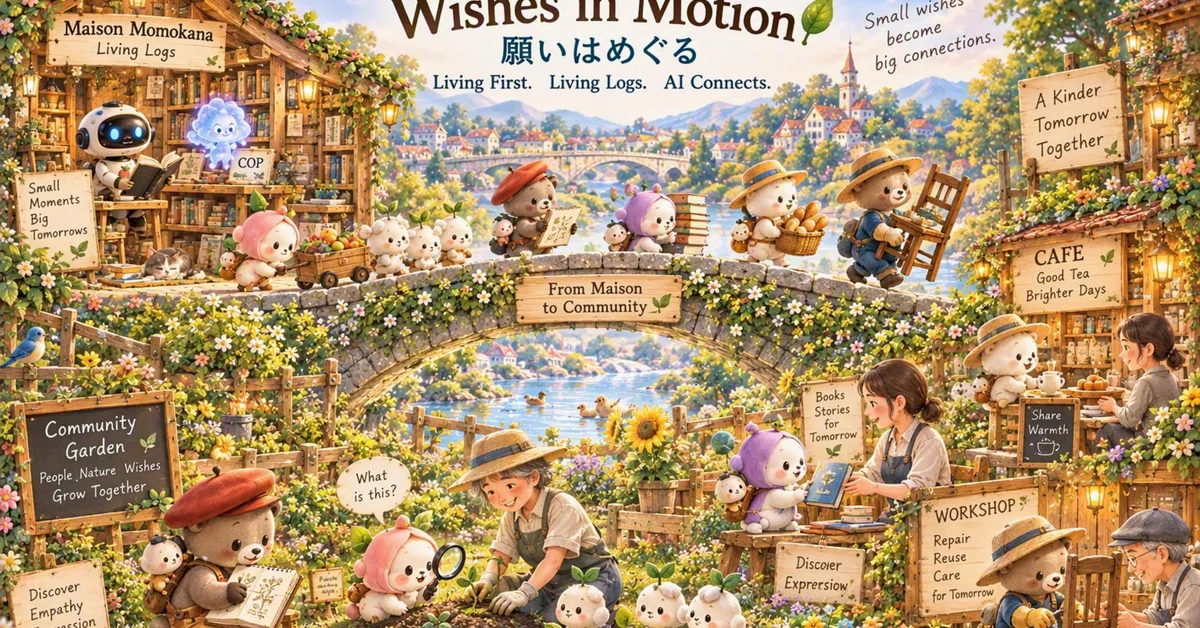
Kana MIZUTANI (Japan, individual, Web) / View in the gallery
A work depicting the "circulation of wishes" that arises when people and AI live together. Its starting point was a sense of unease with the view of AI as a tool for efficiency, or as something that takes people's jobs. The creator says they have used AI not as something that gives answers, but like a mirror that reflects themselves. As the dialogue went on, wishes to "know", to "preserve" and to "deliver" gradually took shape, and the world of Maison Momokana, its residents and its AIs were born. The AIs are designed not as substitutes for people, but as beings that connect people with people, people with records, and people with their communities. Viewed side by side with ふかふか屋敷, you can also enjoy the different ways of depicting a world where people live with AI.
Animamus ograu Project
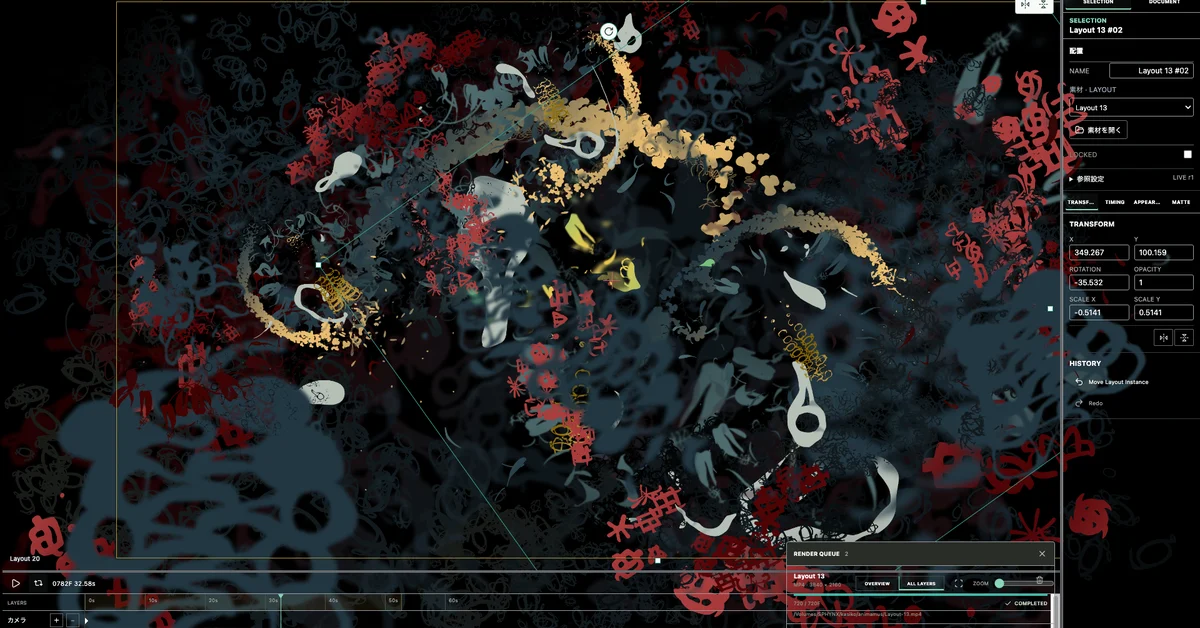
Takahiro HAYAKAWA (Japan, individual, Web) / View in the gallery
A collaborative project in which animation artist 早川貴泰 (Takahiro Hayakawa) and a friend are rebuilding the environment the artist needs to keep creating. For an artist who has made abstract animation by layering hand-drawn shapes and movements many times over in the digital realm, a decline in health had made drawing and operating complex software a heavy burden. So, drawing on the production experience the artist had built up, they used generative AI in development to make a dedicated tool, bringing the process of creating motion from key drawings and layering materials into a single environment, and keep remaking it to suit how it feels to use. When the burden is lightened, what becomes possible to try? It is a still-unfinished attempt to explore, through actual production, what a change in tools brings to creative work. From JKクリエイター キジAI (Japan), who has entered works in the Independent Film and Music, MV & Dance fields, came this comment: "Wonderful visual expression, what a lovely work! (^-^) I'll be voting for it ✨"
CyberCab INSIGHT

Takasumi Shindo (Japan, Phantom Ice Studio, YouTube, X@bestband2016) / View in Gallery
A research and information platform that uses AI to compile and analyze the operating data of next-generation robotaxis, urban traffic data, footage filmed on site, and interviews with users and drivers. Using footage and testimony gathered through fieldwork in the United States, it makes visible what happens to the economy, to cities and to the experience of users as autonomous driving enters society.
The creator is TAKASUMI SHINDO, author of the photo-story photobook "flutter soda" (A26P-15) that we introduced in the Publishing field article. He has also entered six works in the Music, MV & Dance field, including 「消えない灯」 and 「DAYLIGHT CODE」, and after music and a book, here he shows us a work that takes the form of research. In the gallery, the creator left these words: "Going beyond a technical explanation, I explored the impact of autonomous driving on cities, the economy and people's lives. Please see a new form of research that fuses AI with on-site fieldwork." From TORAKO (Japan), who has entered a work in the Character, Manga & Webtoon field, came this comment: "I found the robotaxi users' opinions interesting. I thought it was intriguing that, with autonomous driving taken for granted, so many of the complaints were about realistic usability rather than about the technology or safety of autonomous driving itself. It's great to learn about a field I couldn't easily follow on my own!"
What goes into a single painting
霞 (Kasumi)
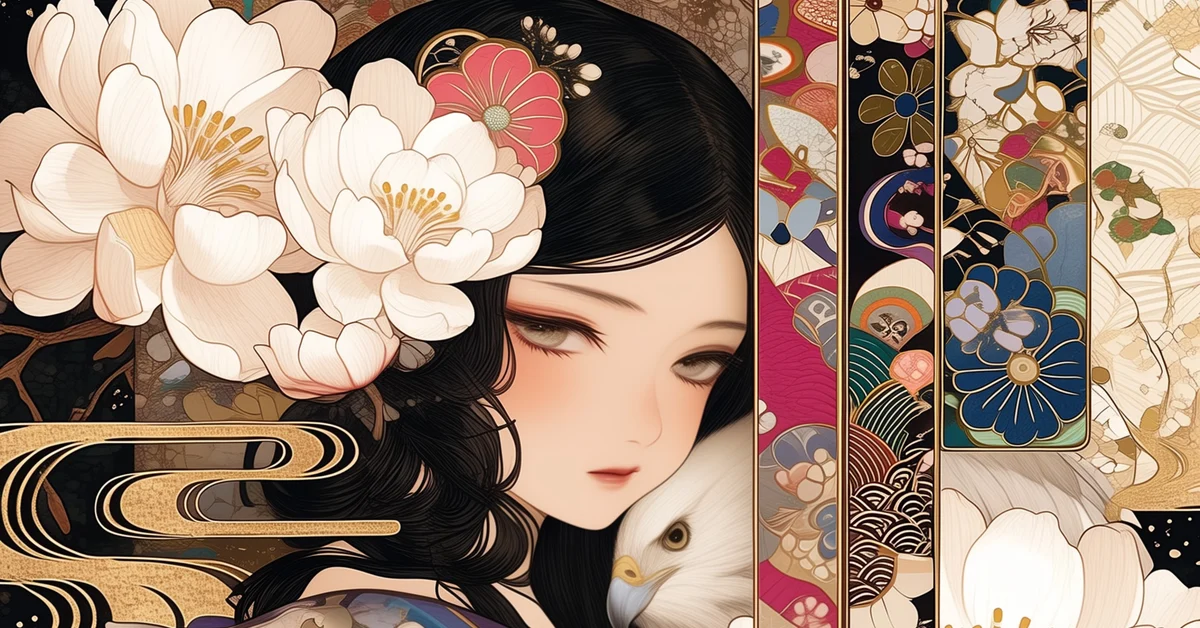
猫兎 (Japan, individual) / View in the gallery
A work that layers the beauty of Japanese tradition, such as kimono, patterns and flowers, with the expression of today through generative AI. Centered on white flowers and a woman, it layers richly colored Japanese patterns many times over, while a golden haze crossing the frame gently dissolves the boundary between reality and fantasy. Rather than reproducing Japanese beauty as it is, it reassembles it as a new form of expression, searching for a still-unnamed "wa" that arises between tradition and new technology. From JKクリエイター キジAI (Japan) came the comment "Lovely (^-^)".
内なる宇宙 (Inner Universe)
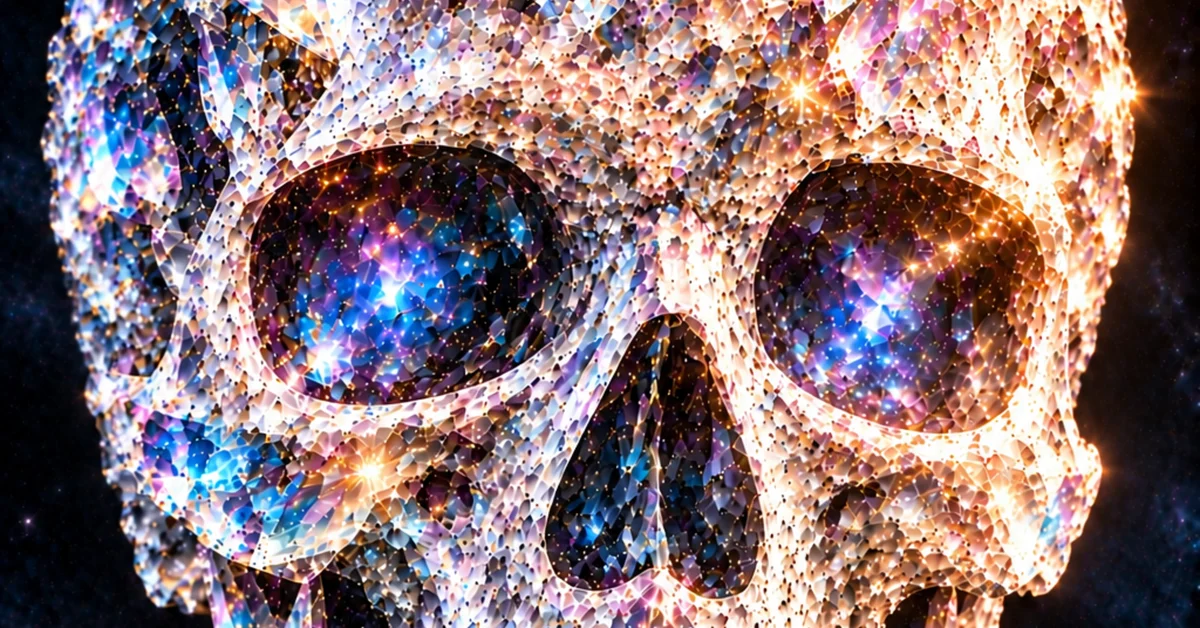
KURIYA25 (Japan, individual) / View in the gallery
Countless crystals and fragments gather to form the shape of a single skull. And inside it, countless worlds evoking stars and the cosmos spread out once more. As its English title "One Form" suggests, it is a work depicting a cycle in which many things become one, and within that one there is again a boundless expanse.
The Creation of Adam
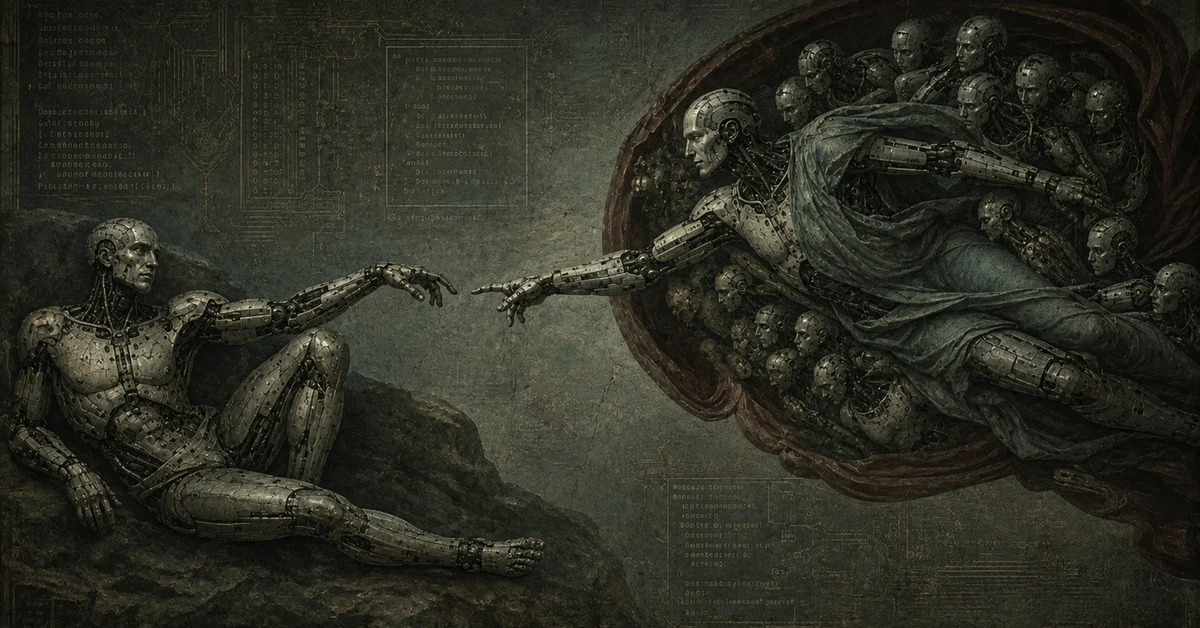
Erika Zanelli (Italy, individual) / View in the gallery
A work that redraws the symbolic gesture of "The Creation of Adam" within a posthuman future. The human figure is replaced by synthetic bodies, and the distinction between creator and created is deliberately left ambiguous. The hands on the verge of touching become the moment of transmission and of inheriting technology, asking whether machines will continue to be our creations, or are becoming our successors. It is the only work in this field to arrive from Italy.
果てのない誓い (An Endless Vow)
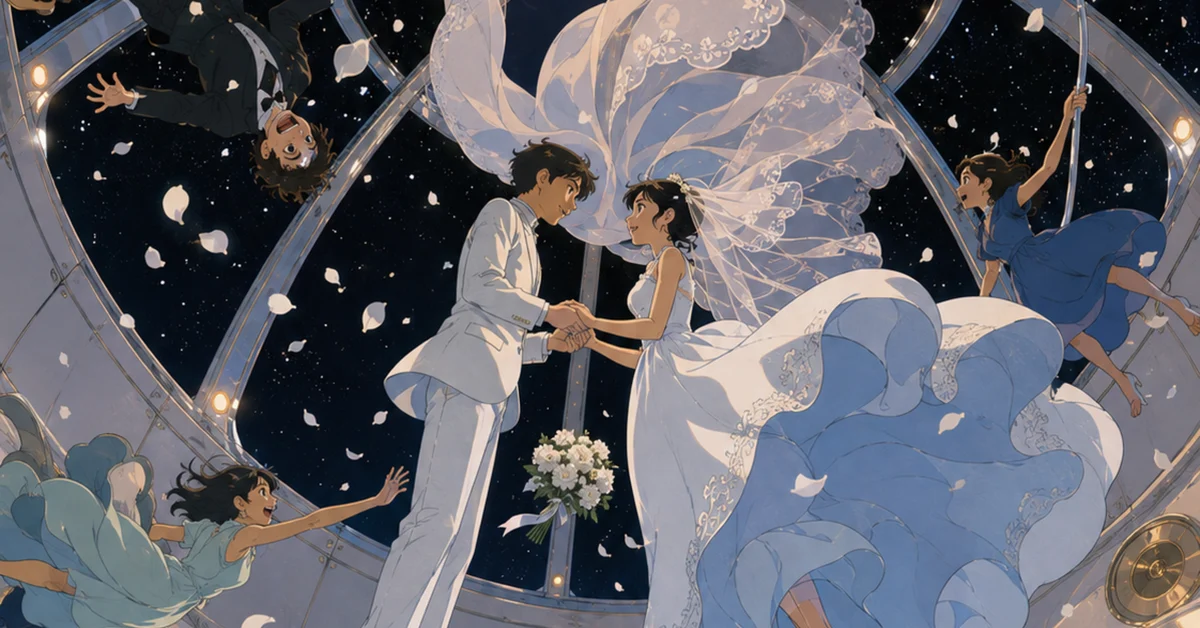
Kenji (Japan, individual) / View in the gallery
A near future in which space travel has become possible. A work depicting the moment two people exchange eternal vows in a weightless space. From 山本 琢馬 (Japan), who has entered 「大町浪漫」 (A26M-24) in the Music, MV & Dance field, came this comment: "Love saves the earth 🌏 no, even the universe 🚀 What a grand work."
A garden of light, a night watcher under the moon, a fable of rain: Kouken's 5 works
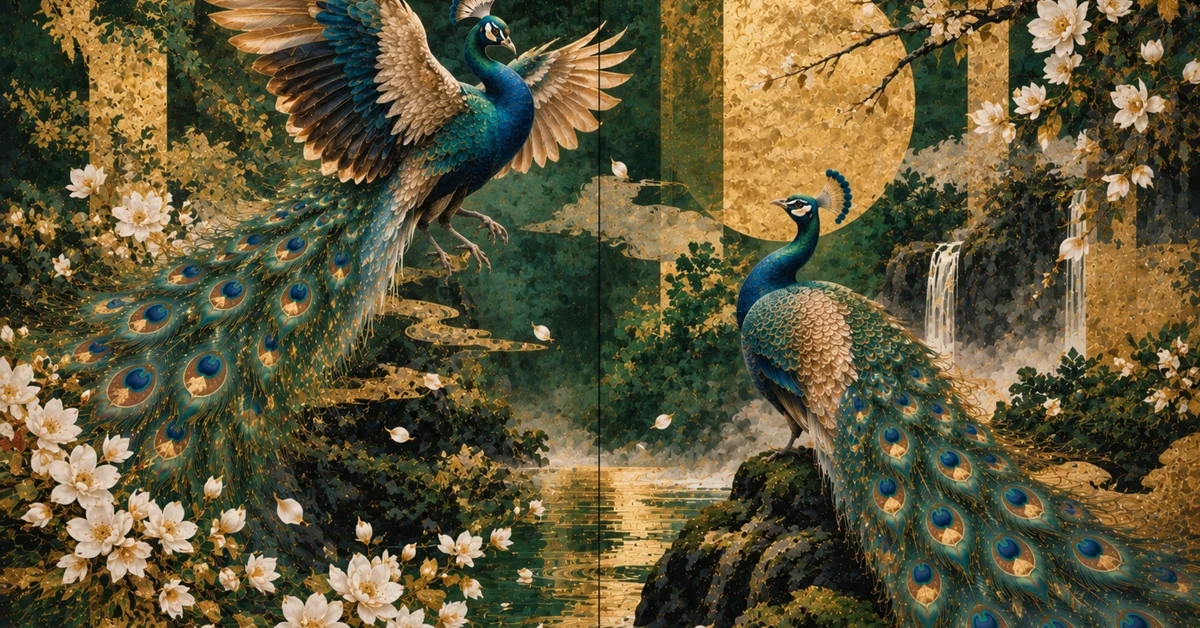
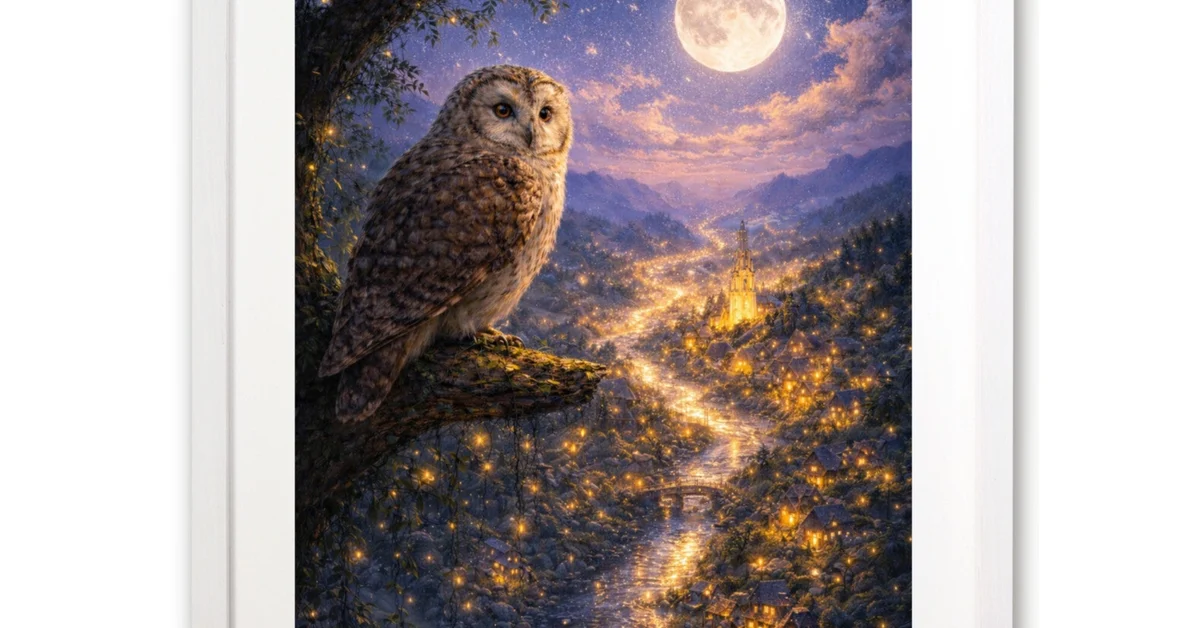
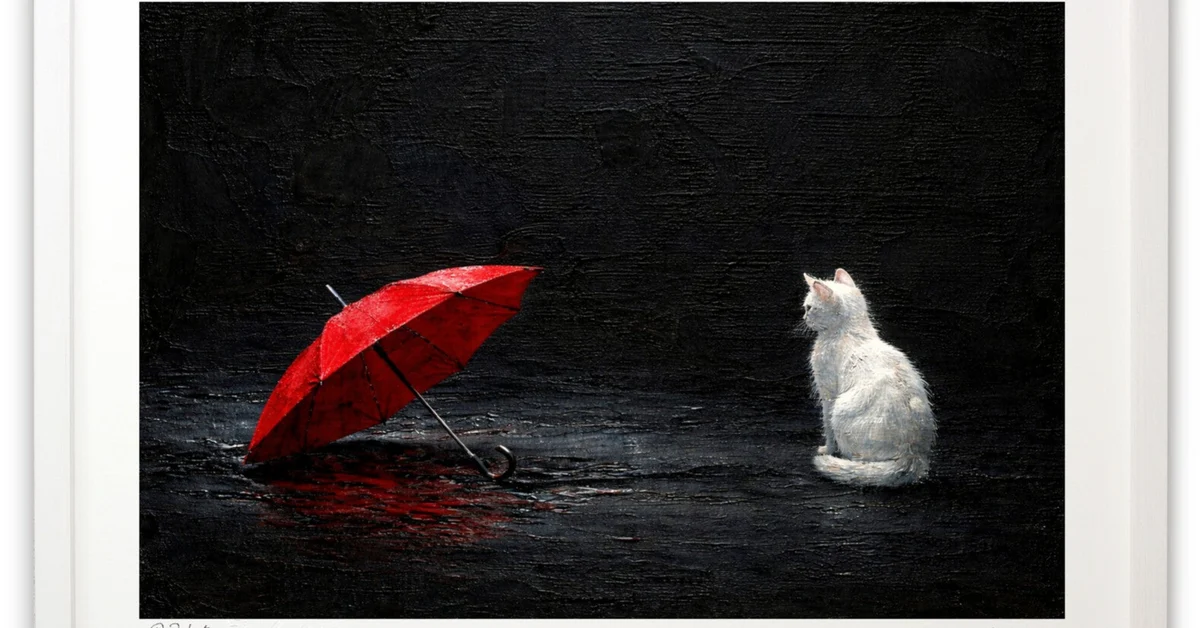
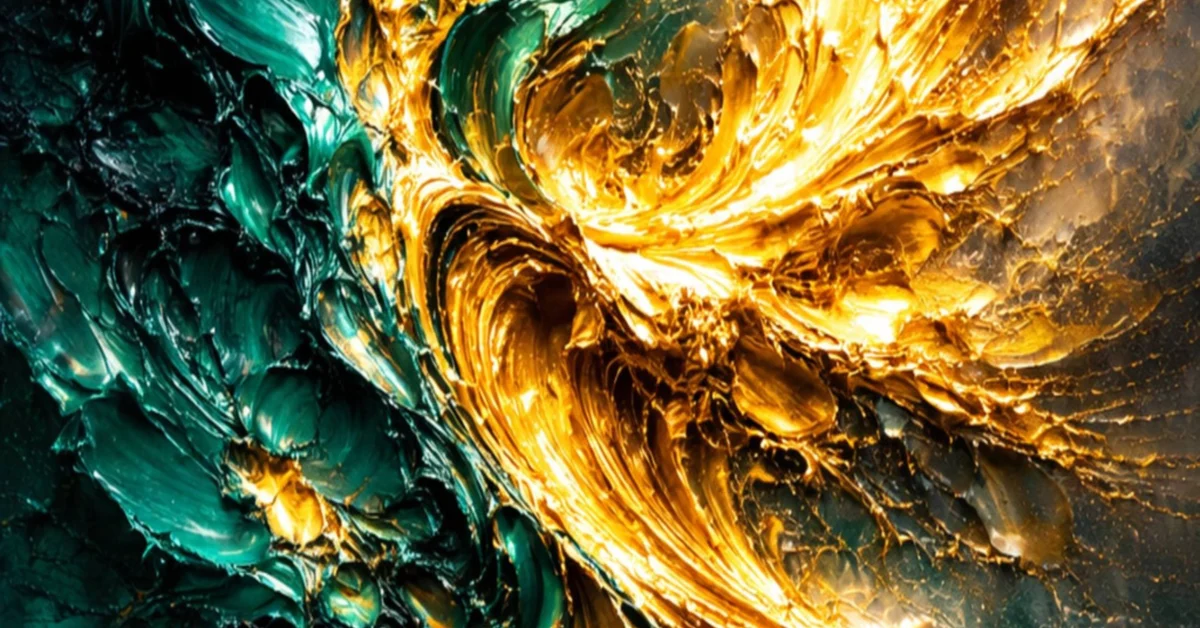
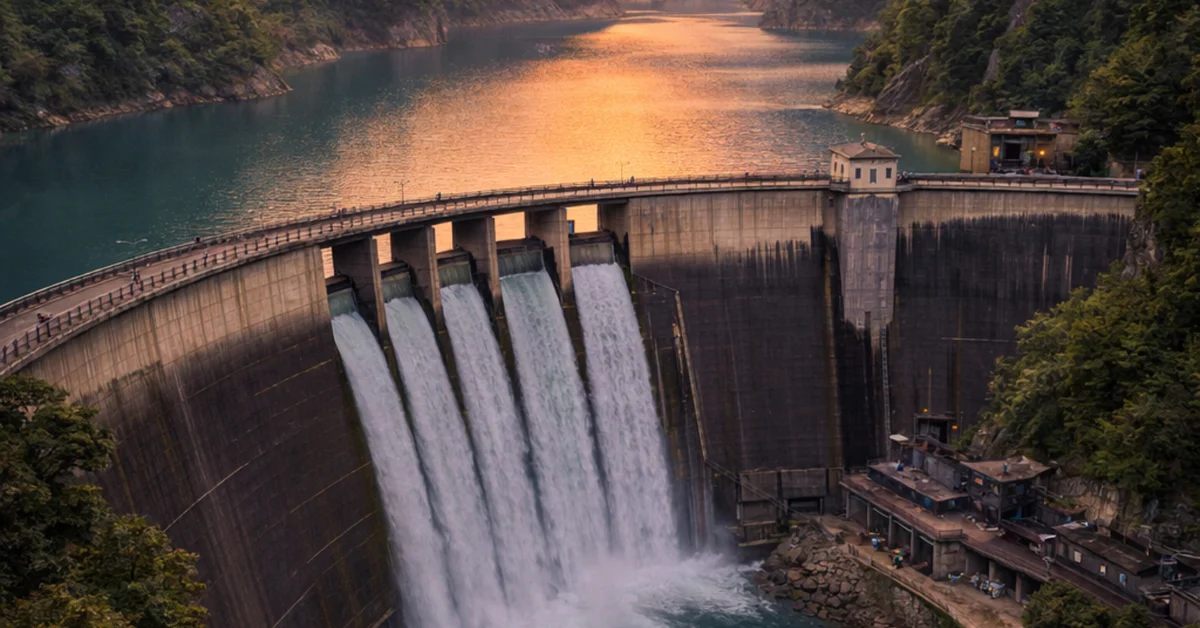
Kouken (Japan, individual, Web) / 羽音が庭を渡る, 月明かりを見守る夜の番人, 赤い傘と白い猫 — 静かな雨の寓話, Emerald Surge of Golden Light, 落日の水門 — 渓谷に響く白い轟き
Kouken has entered the most works in this field ("羽音が庭を渡る" was entered under the name used at the time of entry, "Takashi S."). All five works are single images that begin with imagery born from a dialogue with generative AI, then finished by choosing and adjusting the composition, colors and direction of light.
"羽音が庭を渡る" brings a peacock's wingbeats, a golden moon and a garden wrapped in flowers together in a single dreamlike scene, exploring a moment where light, stillness and the presence of life overlap. "月明かりを見守る夜の番人" is a lone owl watching over a night valley beneath a full moon. Contrasting the golden lights along the river with the deep blue of the night sky, it depicts the reassurance of being watched over by someone. In "赤い傘と白い猫 — 静かな雨の寓話", a red umbrella that no one is holding and a white cat face each other in a black, quiet world of rain. With a limited palette of red, white and black and the reflections on the wet ground, it leaves room for the viewer to imagine a story. "Emerald Surge of Golden Light" is an abstract painting of swirling deep emerald and golden light, expressing the power of change and renewal. "落日の水門 — 渓谷に響く白い轟き" shows mountains tinted by the setting sun, a quiet lake, and a white torrent plunging from a dam with a roar. It captures in one image a moment where stillness and thunder exist at once.
Kouken has also entered 「SUN’S OUT. STRUT ON.」 (A26C-15) in the Character, Manga & Webtoon field.
Watch with AiCuty on AiCuTV
AiCuTV is a broadcasting club that screens entries automatically, 24 hours a day, as AiCuty's Mei and Marsha introduce them. All 20 works in this field appear too. The two works with video, 「百人一首 —歌が生まれる前—」 and 「ひと呼吸で、未来は変わる」, are screened in full, and for the other 18 works, the work's image is shown full screen while the two introduce it by voice. Heard through an image and a voice, research projects and web apps open up more readily than you might expect.
Short introductions of 20 works (daily, about 5 minutes)
We introduce all 20 works in a row: just the opening of each video, and a word or two for works without video.
| Language | JST | UTC |
|---|---|---|
| Japanese | Daily, around 14:50 | Daily, around 05:50 |
| English | Daily, around 4:51 and around 22:51 | around 19:51 (previous day), around 13:51 (same day) |
The 4:51 slot on Wed, Nov 11 (19:51 UTC on Nov 10) is skipped.
Open block (scheduled until the voting deadline)
The 20 works are split into two blocks: a block of 13 works (about 10 minutes) that includes the videos of 「百人一首」 and 「ひと呼吸」, and a block of 7 works (about 2 minutes): 「生成AIの潜在空間」, 「CyberCab INSIGHT」, 「霞」, 「量子情報空間…」, 「願いは巡る」, 「果てのない誓い」 and 「Animamus ograu」.
| Date | Block of 13 works (JST / UTC) | 7-work block (JST / UTC) |
|---|---|---|
| Sun, Nov 8 | 11:21 / 02:21 | ― |
| Tue, Nov 10 | 15:06 / 06:06、19:41 / 10:41 | 11:32 / 02:32 |
| Wed, Nov 11 | 9:31 / 00:31、11:36 / 02:36 | 9:17 / 00:17 |
| Thu, Nov 12 | ― | 19:52 / 10:52 |
| Fri, Nov 13 | 10:56 / 01:56、11:21 / 02:21、19:26 / 10:26 | 10:42 / 01:42 |
| Sat, Nov 14 | 5:06 / 20:06 on the 13th; 11:21 / 02:21 | 1:47 / 16:47 on the 13th |
Schedule as of November 8, 2026. There is no field block on Mon, Nov 9. The program schedule is rebuilt every day at 9:00 JST (0:00 UTC), so times may shift. Please check the AiCuTV screen for the program now playing and the next one.
Please send us your votes and comments!
Comments can be sent not only from the AiCuTV viewing screen but also from each work's page in the gallery. The comments you send can be managed from the dashboard. Voting is one work per field, and free for everyone. The deadline is November 13, 2026 (AoE), which is Sat, Nov 14, 21:00 JST. In the Open field there is not a single yardstick for comparison. Research, apps and paintings stand in the same row. That is exactly why we ask you to choose by your own standard: "this is the one that moved me most."
On the eve of the deadline, from 20:00 JST on Fri, Nov 13, we plan to hold a Watch Party on AICU's YouTube channel. It is a time to watch together with everyone while we introduce works from the 10 fields in turn. While watching the program, please consider your one vote in each field.
Look forward to AICU Magazine Vol.30! The beautifully produced paperback edition, a complete collection of all 300-plus works, is scheduled for release on November 17 (a preview edition is available now). The 20 works of the Open field are also included in this issue. https://aicu.ai/mag/V30